


How Many Coffees a Day Are Safe? Guide 2026
3-4 cups of coffee (400mg of caffeine) is the safe limit for adults. Discover the benefits, risks, and how to calculate your ideal consumption based on scientific studies.
HEALTH
2/4/202617 min read


Index
What is the Recommended Amount of Coffee per Day
The scientific answer to how many cups of coffee one should drink daily is clear: for healthy adults, the safe limit is between 3 to 4 cups of coffee per day. This recommendation is supported by multiple internationally recognized health organisations.
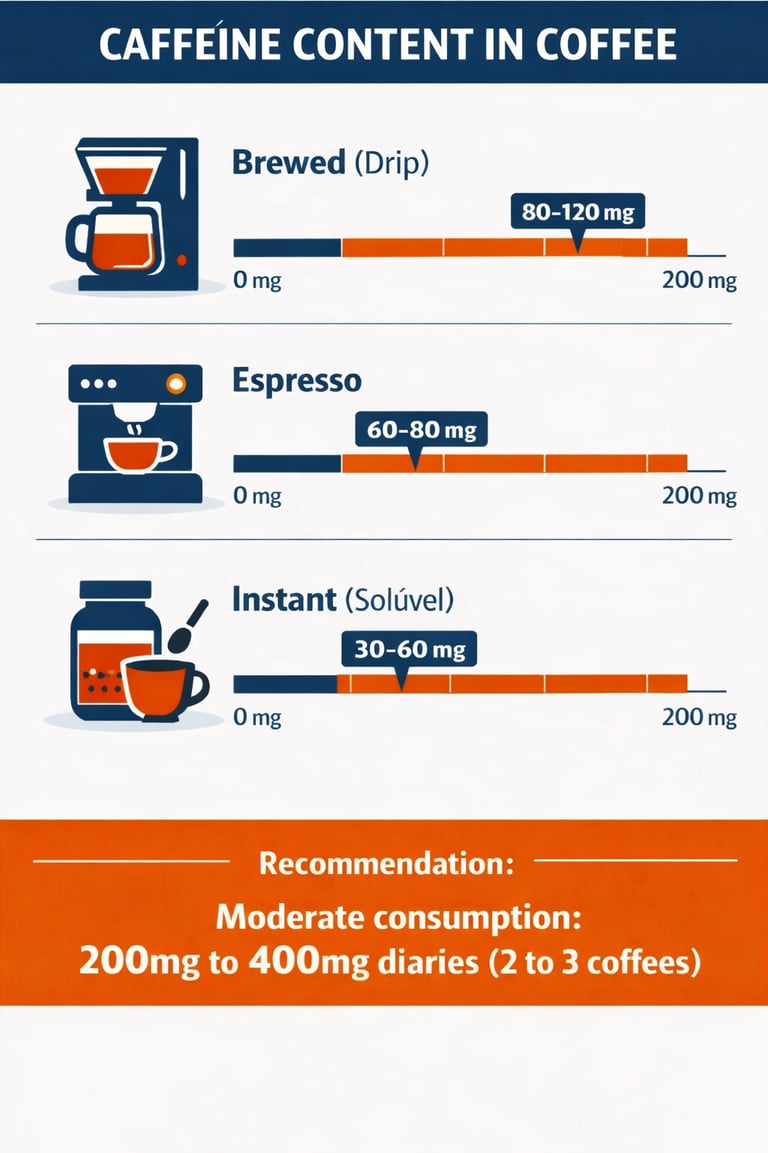
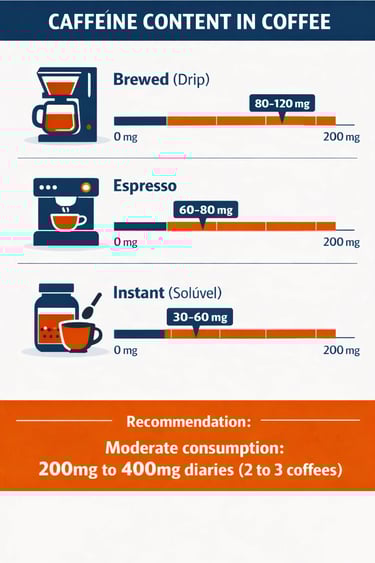
The FDA (Food and Drug Administration of the United States) establishes that 400 milligrams of caffeine per day is considered safe for most healthy adults. This amount is approximately equivalent to four 240ml cups of brewed coffee. The World Health Organisation and the Portuguese Nutritionists Association recommend moderate consumption between 200mg to 400mg of caffeine daily, which in practice means 2 to 3 cups for the Portuguese population.
It is fundamental to understand that these numbers are not universal. The ideal limit varies according to individual factors such as body weight, caffeine metabolism, personal sensitivity, and pre-existing health conditions. A person weighing 70kg metabolises caffeine differently than someone weighing 50kg, necessitating an adjustment in consumption proportionally.
The Ministry of Health of Brazil advises that moderate consumption means up to three cups per day to enjoy the health-related benefits. Recent studies demonstrate that this consumption range is associated with a significant reduction in the risk of developing multiple cardiometabolic diseases, including heart disease, stroke, and type 2 diabetes.
🛒 Looking for the best coffee for your daily consumption? Explore our selection of premium coffees on Amazon with different intensities and flavour profiles, ideal for those who want to maximise the benefits while maintaining moderate consumption.
Types of Coffee and Caffeine Content
Not all coffee is the same when we talk about caffeine. The content of this stimulant varies considerably depending on the preparation method, the type of bean, and even the roasting time. Understanding these differences is essential for accurately calculating your daily intake.
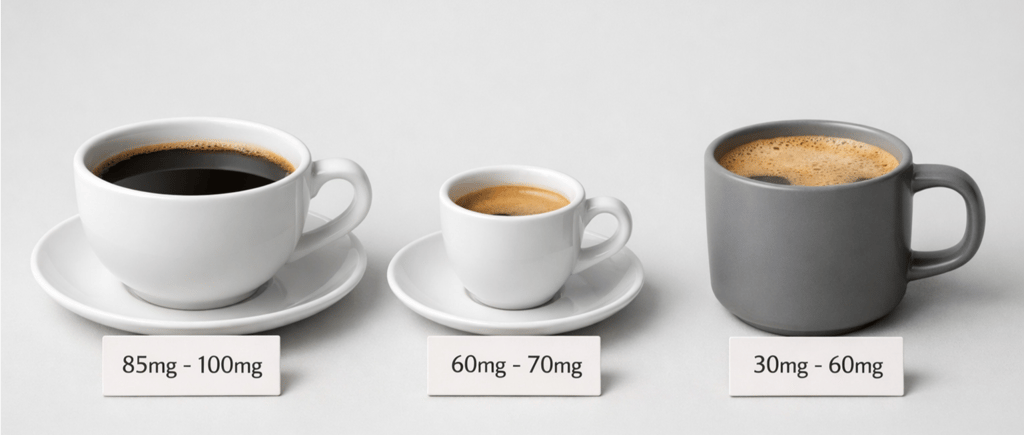
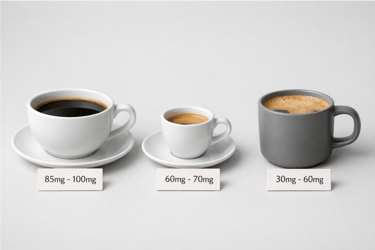
A standard cup of 125ml of brewed coffee contains between 85mg and 100mg of caffeine. A shot of espresso, although served in much smaller doses (30ml), contains between 60mg and 70mg of caffeine. Instant coffee, popular for its convenience, has a lower caffeine concentration, typically ranging from 30mg to 60mg per cup.
The difference in caffeine content can be explained by the extraction process. Espresso relies on high pressure and elevated temperature for a short period, resulting in a concentrated beverage. Filter coffee, on the other hand, allows for a slower and more complete extraction of soluble compounds, including caffeine. Contrary to popular belief, dark roasted coffees contain slightly less caffeine than light roasts, as the prolonged roasting process breaks down some of the caffeine molecules.
Other factors influence the amount of caffeine extracted. The coffee-to-water ratio is crucial: the more coffee grounds per millilitre of water, the higher the final concentration. The contact time also matters. A drip coffee that spends 4 minutes in contact with the water extracts more caffeine than an espresso made in 25 seconds, despite the pressure difference.
It is important to note that caffeine is not only present in coffee. Black tea contains between 40mg and 90mg per cup, green tea around 20mg to 45mg, and cola-based soft drinks can have up to 70mg in a 355ml can. Energy drinks are particularly concerning, potentially containing between 200mg and 300mg of caffeine in a single serving. Chocolate also provides caffeine, albeit in smaller amounts.
☕ Want to better manage your caffeine intake? Consider investing in a coffee machine with dose control that allows you to adjust the intensity and exact amount of each drink.
Proven Benefits of Moderate Consumption
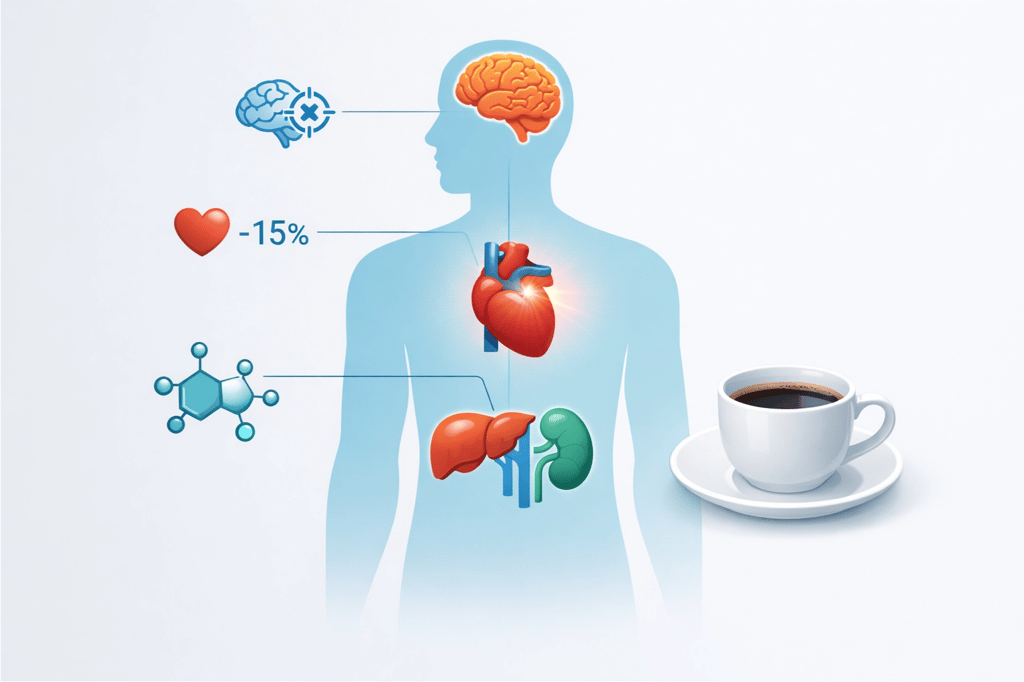
Coffee, when consumed within recommended limits, offers an impressive list of health benefits validated by robust scientific research. Far from being just a stimulating beverage, coffee proves to be a powerful ally in the prevention of multiple chronic diseases.
Studies published in the Annals of Internal Medicine demonstrate that moderate coffee consumption is associated with a lower risk of mortality from cardiovascular causes, diabetes, and kidney diseases. Specifically, individuals who consume between 2 to 3 cups daily show a 10% to 15% reduction in the likelihood of developing cardiovascular diseases.
Research on coffee and type 2 diabetes is particularly impressive. A review of 18 studies involving nearly 500,000 participants revealed that each additional cup of coffee consumed daily is associated with a 7% reduction in the risk of type 2 diabetes. This effect is attributed to coffee's ability to improve glucose metabolism and increase insulin sensitivity, owing to its bioactive compounds such as chlorogenic acid.
In the field of neuroprotection, coffee shows remarkable results. Caffeine and other bioactive compounds present in the beverage offer significant protection against neurodegenerative diseases. Research indicates that regular coffee consumers have up to a 65% lower risk of developing Alzheimer’s disease and between 32% to 60% lower risk of developing Parkinson’s disease. This protective effect also extends to memory improvement, concentration, and overall alertness.
The liver is another organ that significantly benefits from moderate coffee consumption. Studies published in the journal Hepatology conclude that drinking four or more cups daily can reduce the risk of liver cirrhosis by up to 80%. Decaffeinated coffee also shows liver protective effects, suggesting that the benefits do not rely solely on caffeine but rather on polyphenols and other antioxidants present.
Oncological research also reveals promising data. Regular coffee consumers exhibit up to a 40% lower risk of liver cancer and 15% lower risk of colorectal cancer. These protective effects are attributed to the antioxidant and anti-inflammatory properties of the phenolic compounds present in coffee.
Coffee also functions as an exceptional source of antioxidants in the modern Western diet. For many people, it represents the primary dietary source of antioxidants, surpassing even fruits and vegetables combined. These antioxidants combat free radicals and reduce cellular oxidative stress, contributing to healthy aging and the prevention of chronic diseases.
🌱 Want to maximise antioxidant benefits? Opt for premium quality organic coffee beans that preserve a higher concentration of beneficial bioactive compounds for health.
How to Calculate Your Ideal Consumption
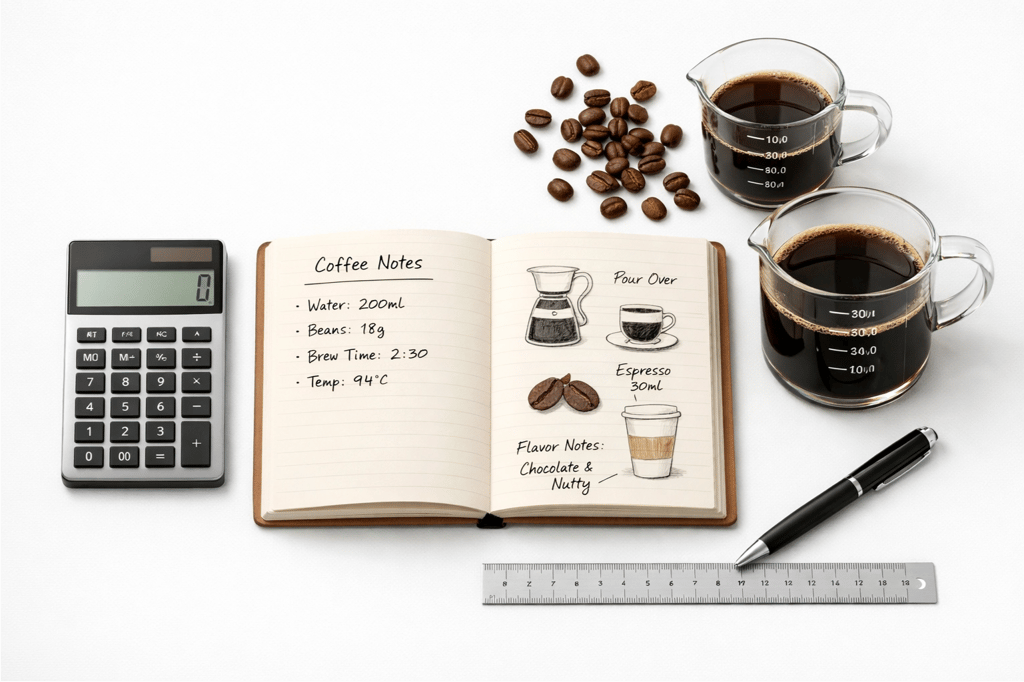
Determining the exact amount of coffee you can consume daily requires a personalised approach that considers multiple individual factors. There is no one-size-fits-all formula, but rather a calculation method tailored to your specific characteristics.
The first step is to know your body weight. The European Food Safety Authority establishes that the safe dose of caffeine is approximately 5.7mg per kilogram of body weight. Thus, a person weighing 70kg can safely consume up to 400mg of caffeine, while someone weighing 50kg should limit themselves to about 285mg daily. This difference is significant and often overlooked.
Next, identify exactly what type of coffee you consume and in what quantities. If you drink filter coffee in cups of 150ml (more common in the UK), each cup provides approximately 100mg of caffeine. Therefore, a person weighing 70kg can consume up to 4 cups without exceeding the limit. If you prefer double espressos (60ml), each one contains about 120mg, allowing for 3 espressos daily. For instant coffee, with a lower concentration, the limit stretches to 5 to 6 cups.
The factor of individual sensitivity is crucial but often underestimated. Some people metabolise caffeine quickly (fast metabolizers), while others process it slowly (slow metabolizers). Slow metabolizers may feel the effects of caffeine for 8 to 10 hours after consumption, while fast ones process it in 2 to 4 hours. If you experience palpitations, anxiety or insomnia even when consuming moderate amounts, you are probably a slow metabolizer and should reduce your intake.
Don’t forget to account for all sources of caffeine throughout the day. If in the morning you drink 2 coffees (£0.40), have a black tea at lunch (£0.10), eat chocolate in the afternoon (£0.04) and occasionally consume a cola soft drink (£0.07), the total quickly approaches £0.61. Even when below the limit of £0.80, you may already feel effects if you are sensitive to the substance.
The distribution of consumption throughout the day is equally important. Avoid concentrating all caffeine consumption in a short time period. The ideal is to space out the cups with intervals of at least 3 to 4 hours, allowing the body to gradually process caffeine. This strategy maintains more stable energy levels and reduces the risk of adverse effects such as nervousness or tremors.
📱 Make daily tracking easier! Consider using caffeine tracking apps or a simple diary to monitor exactly how much coffee you are drinking per day.
Recommendations for Special Groups
Certain population groups require special attention regarding coffee consumption, as the effects of caffeine may be amplified or present specific risks. The general recommendations of 400mg daily do not apply universally.
For pregnant women, the American College of Obstetricians and Gynecologists is clear: consumption should be limited to less than 200mg of caffeine per day, equivalent to 2 small cups of brewed coffee. This restriction is based on evidence showing that higher quantities may be associated with an increased risk of miscarriage, preterm birth, and low birth weight. Excessive consumption during pregnancy may also affect fetal brain development.
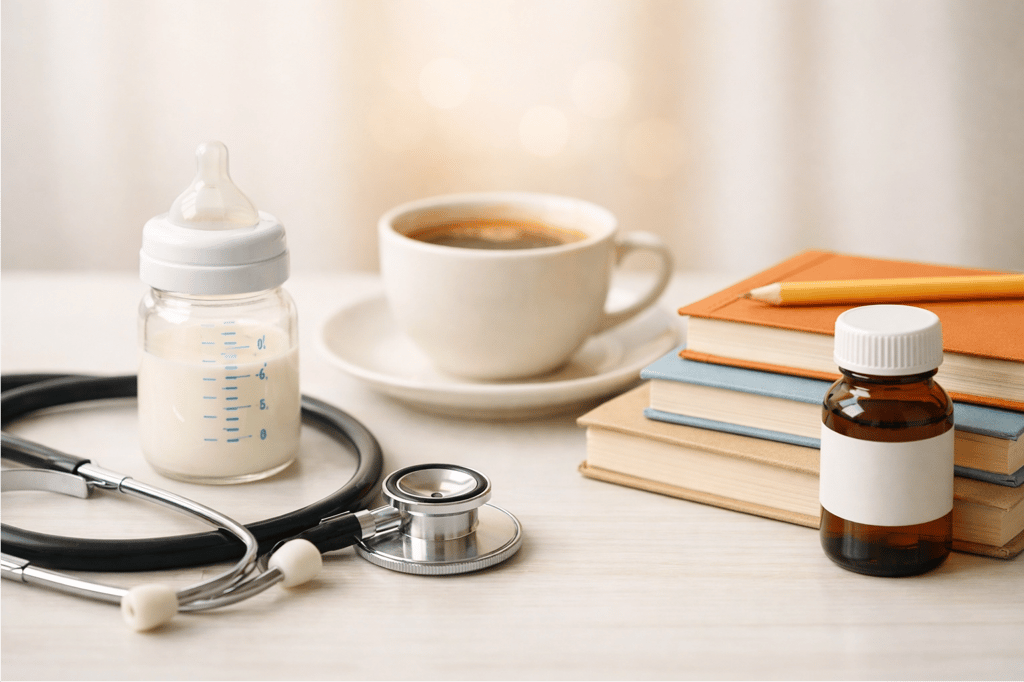
Breastfeeding women can safely consume up to 300mg daily, according to the Centres for Disease Control and Prevention in the United States. Small amounts of caffeine pass into breast milk, but in moderate doses, they do not pose a significant risk to the baby. However, if the baby shows signs of irritability or difficulty sleeping, it may be necessary to reduce consumption even further.
Regarding children, the American Academy of Pediatrics is unequivocal: children under the age of 12 should not consume caffeine. For those under 2 years old, coffee is completely contraindicated, as the gastric mucosa is still developing and the compounds in coffee can cause stomach irritation and compromise digestion. Adolescents aged 12 to 18 should not exceed 100mg of caffeine per day, which is equivalent to 1 medium coffee.
Individuals with pre-existing cardiovascular conditions should exercise heightened caution. Those with hypertension should limit their intake to 200mg daily (2 cups), as caffeine can cause acute elevation of blood pressure. Anyone suffering from cardiac arrhythmias should consult a cardiologist before consuming coffee regularly, since caffeine can trigger or exacerbate palpitations and irregular heartbeats.
Individuals with anxiety disorders, panic syndrome, or other mental health issues should monitor their reaction to coffee closely. Caffeine increases cortisol levels (the stress hormone) and can intensify symptoms of anxiety, nervousness, and restlessness. In such cases, decaffeinated coffee may be a viable alternative to enjoy the beverage without the stimulating effects.
People taking certain medications should be particularly vigilant. Some antidepressants, thyroid medications, bronchodilators, and some antibiotics may interact with caffeine, enhancing its effects or prolonging its presence in the body. Always consult your doctor or pharmacist about possible drug interactions.
Risks of Excessive Consumption
Although coffee in moderate doses offers substantial benefits, excessive consumption can completely reverse these advantages and provoke significant adverse effects on physical and mental health. Understanding where the limit lies between benefit and harm is essential.
A robust study from the University of South Australia, which followed over 17,000 participants, concluded that people who consume more than 6 cups of coffee daily have a 53% increased risk of developing dementia and cerebrovascular problems such as strokes. This finding emphasises that there is a tipping point where the neuroprotective effects of coffee reverse.
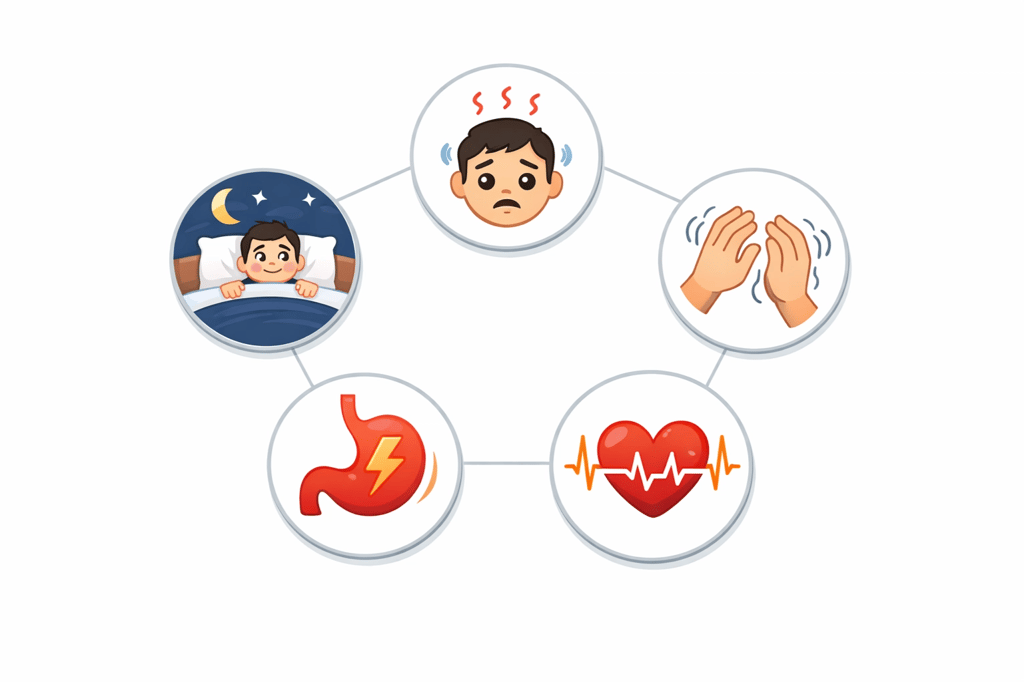
The cardiovascular system is particularly sensitive to excess caffeine. Doses exceeding 400mg can cause tachycardia (abnormal acceleration of the heart rate), palpitations, arrhythmias, and sustained elevation of blood pressure. For individuals with genetic predisposition or underlying cardiac conditions, these effects can be even more pronounced and dangerous.
Insomnia is probably the most common and disturbing side effect of excessive consumption. Caffeine has a half-life that varies between 2 to 10 hours depending on individual metabolism, meaning that half of the ingested amount is still active in the body hours after consumption. A coffee consumed at 4 PM may still be interfering with sleep at 10 PM or even at 2 AM in slow metabolizers. Chronic sleep deprivation resulting from this creates a vicious cycle: the person feels tired and consumes more coffee, further aggravating insomnia.
The digestive system also suffers from the excess. Coffee stimulates the production of stomach acid, which can cause or worsen gastroesophageal reflux, heartburn, gastritis, and even ulcers in extreme cases. Abdominal discomfort, nausea, cramps, and diarrhoea are frequent symptoms in those who regularly exceed the recommended limit. The absorption of essential nutrients such as calcium and iron can also be compromised.
In the field of mental health, excessive caffeine significantly raises cortisol levels, the stress hormone. This hormonal increase can trigger or intensify episodes of anxiety, panic attacks, extreme irritability, nervousness, and psychomotor agitation. Studies indicate that doses exceeding 400 mg can exacerbate symptoms in individuals predisposed to anxiety disorders.
Dependence, although not classified as clinical addiction by the World Health Organisation, is a reality. Regular consumption creates tolerance, requiring progressively larger doses to achieve the same effects. Abrupt withdrawal causes withdrawal symptoms that include intense headache, extreme fatigue, difficulty concentrating, irritability, and even mild depression. These symptoms typically last 2 to 9 days.
⚠️ Did you experience any of these symptoms? It may be time to reduce your consumption. Consider alternatives like high-quality decaffeinated coffee that maintains the flavour but eliminates the problematic caffeine.
Common Errors and How to Avoid Them
Even experienced coffee enthusiasts make mistakes that undermine the benefits of the beverage or exacerbate its negative effects. Identifying and correcting these incorrect practices can make all the difference to your experience and health.
The most prevalent error is failing to account for all sources of caffeine throughout the day. Many people focus solely on coffee, forgetting that morning tea, afternoon chocolate, the occasional fizzy drink, and even some headache medications contain caffeine. This lack of overall control can easily lead to exceeding the safe limit without realising it.
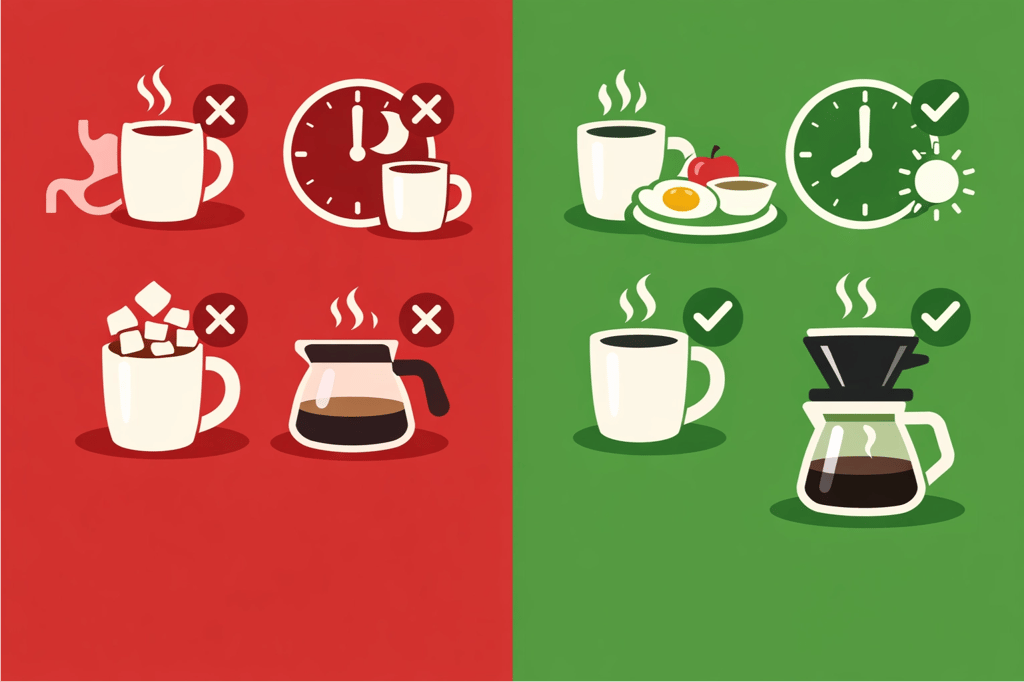
Drinking coffee on an empty stomach is another common mistake. Consuming the beverage without any food in the stomach can intensify gastric mucosa irritation, dramatically increasing the risk of heartburn, reflux, and abdominal discomfort. Ideally, one should always accompany coffee with at least a small amount of food, such as a toast or fruit.
Adding large quantities of sugar to coffee is a double problem. Besides negating some of the metabolic and antioxidant benefits of the drink, added sugar contributes to spikes in blood glucose, weight gain, and chronic inflammation. If you consume 3 coffees a day with a sachet of sugar each (7g), you are ingesting 21g of sugar just from the coffee, about half of the recommended daily limit. The solution is to gradually reduce sugar until your palate gets used to the natural taste of coffee.
Consuming coffee after 3pm is a mistake that seriously compromises the quality of sleep. Even if you believe you're not affected, studies show that caffeine consumed up to 6 hours before sleeping reduces total sleep time and worsens the quality of rest. This effect is particularly pronounced in older adults and slow metabolizers.
Drinking oxidised coffee or leaving it out for hours is a mistake many make out of ignorance. After 30 minutes of preparation, coffee begins to oxidise, developing an unpleasant bitter taste and losing part of its beneficial properties. Oxidised coffee can cause gastrointestinal issues and nausea. The rule is simple: prepare fresh coffee for each consumption.
Replacing meals with coffee is a dangerous practice that some people adopt to control their appetite or due to lack of time. This strategy deprives the body of essential nutrients, can cause hypoglycaemia, compromizes metabolism in the long term, and often results in subsequent binge eating.
Ignoring the signals from your own body is perhaps the most serious mistake. If you experience palpitations, tremors, excessive anxiety, persistent insomnia, or gastric discomfort, your body is clearly communicating that consumption is excessive. These manifestations should be taken seriously and warrant an immediate reduction in caffeine intake, regardless of being within theoretical limits.
Practical Tips for a Healthy Consumption
Implementing smart strategies for consuming coffee transforms this beverage into a true ally of health without associated risks. These practical tips, based on scientific evidence and clinical experience, help to maximise benefits and minimise adverse effects.
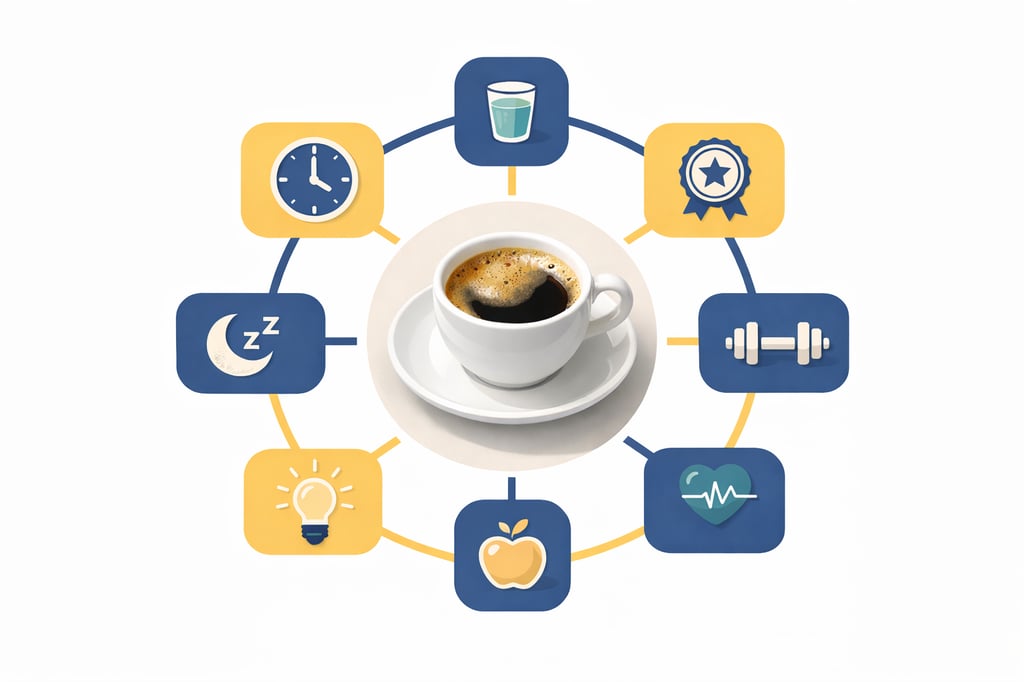
Establish a fixed time for coffee consumption. Drinking at the same times each day helps the body to anticipate and process caffeine more effectively. Ideally, concentrate consumption between 9:30 AM and 11:30 AM, when natural cortisol levels begin to decrease, and coffee enhances energy without interfering with natural hormonal rhythms. A second coffee can be consumed between 1:30 PM and 3 PM, but absolutely avoid after this time.
Stay adequately hydrated. Caffeine has a slight diuretic effect, increasing urine production. For every cup of coffee, drink at least one glass of water. This practice prevents dehydration, helps the kidneys process caffeine, and reduces the risk of headaches associated with consumption.
Invest in high-quality coffee. Special, organic coffees that are freshly roasted preserve a higher concentration of antioxidants and beneficial bioactive compounds. Moreover, quality beans produce less acidic and more flavourful beverages, making it easier to consume without sugar. Avoid instant coffees of poor quality that may contain undesirable additives.
Try decaffeinated coffee as part of your daily consumption. If you usually drink 4 coffees, consider substituting the last two for decaffeinated versions. This allows you to enjoy the flavour and ritual without adding extra caffeine that might interfere with sleep. Decaffeinated coffee retains a large part of the antioxidants and liver benefits.
Take regular breaks from consumption. Every 2 or 3 months, consider significantly reducing or eliminating coffee for a week. This "reset" helps to prevent excessive tolerance, reduces psychological dependence, and allows you to evaluate clearly the real effects that caffeine has on your body.
Combine coffee with sources of protein or healthy fats. A coffee accompanied by a handful of almonds, natural yoghurt, or toast with avocado provides a more gradual release of energy, stabilises blood sugar, and protects the stomach. This combination prolongs the beneficial effects and reduces the subsequent energy "crash".
Prepare coffee correctly. Use filtered water, respect the proper proportions (about 10g of coffee for 180ml of water), and avoid boiling the water above 96°C to not burn the delicate compounds. A well-prepared coffee does not need sugar and offers maximum flavour and benefits.
Keep a consumption diary for two weeks. Record every coffee you drink, the time, any physical or mental symptoms, and your sleep quality. This self-observation reveals important patterns and helps identify your ideal personal limit, which may differ from general recommendations.
☕ Ready to elevate the quality of your coffee? Explore high-quality coffee grinders and artisan brewing methods that transform the experience and preserve health benefits.
Frequently Asked Questions
How many coffees can I drink per day?
Most healthy adults can safely consume up to 400mg of caffeine per day, which is equivalent to 3-4 cups of filtered coffee (240ml each) or 2-3 espressos. This recommendation is supported by the FDA and the World Health Organization, based on decades of scientific research. However, this limit is not universal and should be adjusted according to body weight, individual metabolism, and sensitivity to caffeine.
Is coffee bad for health?
No, when consumed in moderate amounts (up to 400mg of caffeine daily), coffee offers various health benefits. Scientific studies show it can reduce the risk of type 2 diabetes, cardiovascular diseases, Parkinson’s, and Alzheimer’s. Excessive consumption can lead to problems such as insomnia, anxiety, and digestive issues. The key is moderation and respecting one's body's limits.
Can pregnant women drink coffee?
Yes, but with strict moderation. The American College of Obstetricians and Gynecologists recommends that pregnant women limit their intake to less than 200mg of caffeine per day, the equivalent of 2 small cups of filtered coffee. Excessive consumption during pregnancy can increase the risk of miscarriage, premature birth, and may impact the fetal brain development. Always consult your obstetrician about your specific case.
What time should I stop drinking coffee?
It is recommended to avoid coffee after 3 PM, as caffeine has a half-life of 2 to 10 hours in the body. Consuming coffee later in the afternoon or in the evening can significantly impair sleep quality and cause insomnia, even if you are not immediately aware of this effect. Slow metabolizers should be especially cautious and may want to avoid coffee after lunch.
Does coffee cause dependence?
According to the World Health Organization, coffee does not cause dependence in the clinical and pathological sense of drugs. However, regular consumption can create progressive tolerance and mild withdrawal symptoms (headaches, fatigue, irritability) when abruptly stopped. These symptoms are temporary and disappear within 2 to 9 days, being much less intense than true chemical dependencies.
Does decaffeinated coffee have the same benefits?
Yes, many benefits of coffee come from its antioxidants and bioactive compounds (such as chlorogenic acid and polyphenols), not just caffeine. Decaffeinated coffee retains significant antioxidant properties and can protect the liver similarly to regular coffee. It is an excellent option for those sensitive to caffeine, have sleep issues, or want to drink coffee at night without compromising rest.
Can children drink coffee?
Children under 2 years should absolutely not consume coffee, as their gastric mucosa is still developing. Between 2-12 years, consumption should be minimal or avoided. The American Academy of Pediatrics recommends that children under 12 should not consume caffeine, and adolescents (12-18 years) should not exceed 100mg per day, equivalent to a medium coffee or two cola drinks.
Does coffee increase blood pressure?
Caffeine can cause a temporary and acute increase in blood pressure, but this effect is usually small (3-5 mmHg) and tends to disappear with regular consumption in healthy individuals. People who are hypertensive or predisposed should limit their intake to 200mg of caffeine per day (2 cups) and consult a cardiologist. In some cases, a doctor may recommend avoiding caffeine entirely.
How much coffee is considered excess?
More than 400mg of caffeine per day (approximately 4-5 coffees) is considered excess for healthy adults. Studies show that consuming 6 or more cups daily increases the risk of dementia and cardiovascular problems by 53%. Symptoms such as intense anxiety, tremors, palpitations, persistent insomnia, and digestive issues clearly indicate excessive consumption, even if it theoretically remains within recommended limits.
Does coffee help with weight loss?
Yes, caffeine has thermogenic properties that slightly increase metabolism and fat burning. Studies estimate that 6 cups daily increase energy expenditure by around 100 calories. However, this effect is modest and diminishes with regular consumption due to tolerance. Coffee should form part of a healthy lifestyle with a balanced diet and exercise, rather than being the sole weight loss strategy. Additionally, adding sugar and cream completely negates these benefits.
Can I drink coffee every day?
Yes, daily coffee consumption within recommended limits (3-4 cups) is perfectly safe and even beneficial for most people. Long-term studies show that regular coffee consumers have a lower risk of several chronic diseases. However, it may be helpful to take occasional breaks from consumption to prevent excessive tolerance and reduce psychological dependence.
Is drinking coffee on an empty stomach harmful?
Drinking coffee on an empty stomach for prolonged periods significantly increases the risk of gastric irritation, acid reflux, heartburn, and abdominal discomfort. Coffee stimulates gastric acid production, which without food to process can damage the stomach lining. Ideally, coffee should always be accompanied by at least a small food item like toast, fruit, or yoghurt. If you are prone to digestive issues, this rule is even more important.
What is the caffeine difference between filtered coffee and espresso?
An espresso (30ml) contains 60-70mg of caffeine, while a cup of filtered coffee (125ml) has 85-100mg. Although espresso is more concentrated per millilitre, filtered coffee usually provides more total caffeine because it is consumed in larger volumes. Instant coffee has a lower concentration, around 30-60mg per cup. Roasting also affects caffeine content: dark roasted coffees have slightly less caffeine than light roasts.
Conclusion: Find Your Personal Balance
The ideal amount of coffee to consume daily is a deeply personal decision that combines scientific guidelines with careful listening to your own body. While general recommendations point to 3 to 4 cups daily (up to 400mg of caffeine) as a safe limit for healthy adults, your personal limit may be lower or even slightly higher, depending on multiple factors.
Coffee, when consumed with moderation and awareness, is much more than a source of energy. It is a drink with proven beneficial properties for cardiovascular, metabolic, neurological, and liver health. Scientific studies are clear: moderate consumption significantly reduces the risk of serious diseases such as type 2 diabetes, Parkinson's, Alzheimer’s, and various forms of cancer.
However, excess compromises all these benefits and introduces real risks. Insomnia, anxiety, heart problems, digestive disorders, and psychological dependence are real consequences of systematically exceeding recommended limits. The key is to find the balance point where you enjoy the benefits without experiencing adverse effects.
Pay attention to the signals your body sends. If you experience heart palpitations, nervousness, persistent insomnia, or gastric discomfort, reduce your consumption regardless of whether you are within theoretical limits. If, on the contrary, you drink 2 to 3 coffees daily and feel well, sleep adequately, and have no negative symptoms, you have likely found your ideal point.
Remember that quality coffee, consumed at the right moment of the day, accompanied by balanced nutrition, and within reasonable limits, is a pleasure that can and should be part of a healthy lifestyle. It is not about eliminating coffee, but rather consuming it intelligently and consciously.
☕ Transform your coffee experience! Discover single-origin specialty coffees and professional accessories that elevate each cup to a moment of true enjoyment and health.
Scientific References
FDA (Food and Drug Administration). Spilling the Beans: How Much Caffeine is Too Much? 2024. Available at: www.fda.gov
World Health Organization (WHO). Guidelines on caffeine consumption. 2023.
Portuguese Nutritionists Association. Recommendations on coffee consumption. 2025.
University of South Australia. Coffee consumption and dementia risk study. Journal of Alzheimer’s Disease, 2021.
American College of Obstetricians and Gynecologists. Caffeine intake during pregnancy guidelines. 2024.
Annals of Internal Medicine. Association of coffee consumption with mortality. 2022.
Archives of Internal Medicine. Coffee consumption and diabetes risk meta-analysis. 2023.
Hepatology Journal. Coffee consumption and liver cirrhosis protection. 2023.
Nature Neuroscience. Caffeine effects on long-term memory consolidation. 2024.
European Food Safety Authority (EFSA). Scientific opinion on caffeine safety. 2024.
Contact
Contact us for questions or suggestions.
© 2026. All rights reserved.
Information