


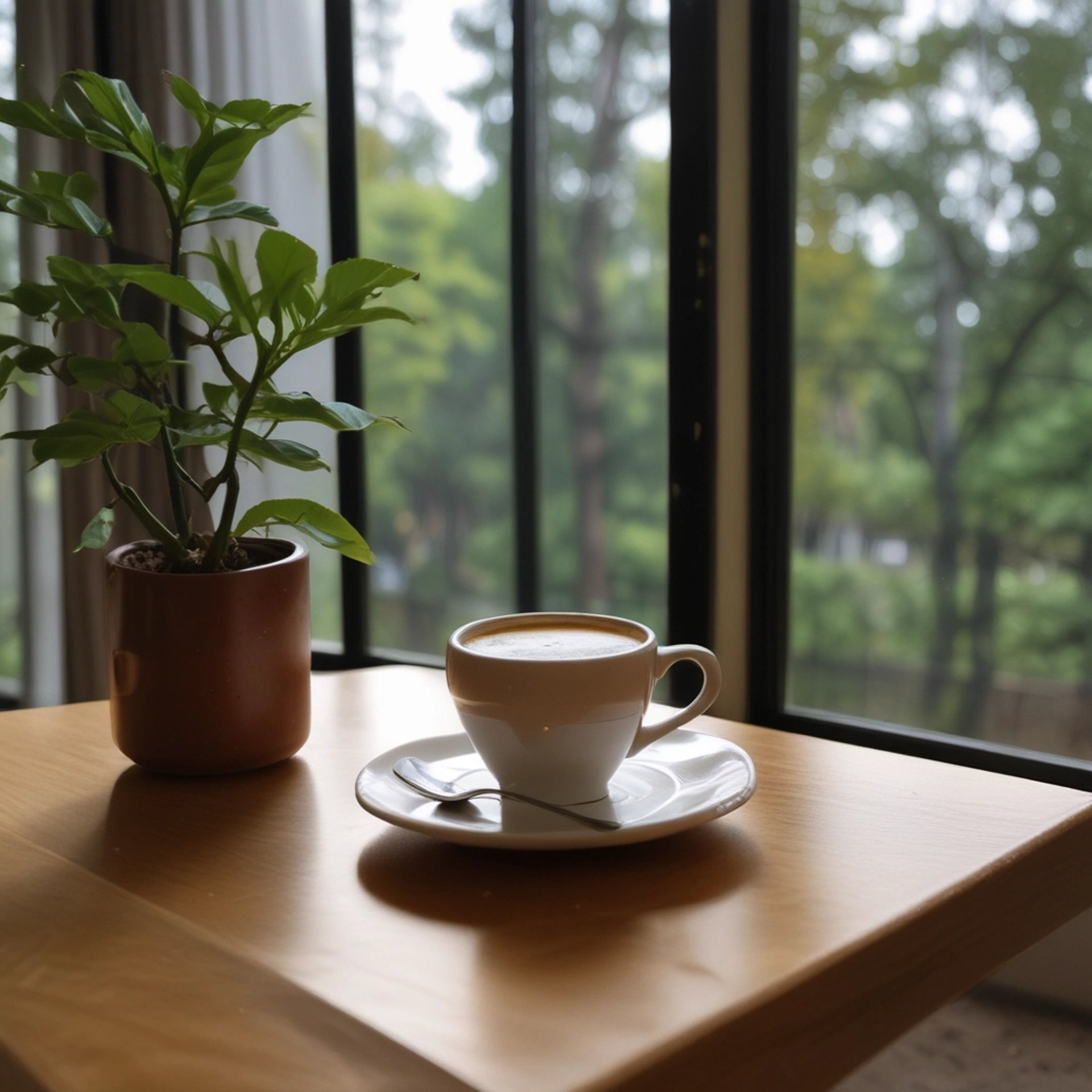
☕ Espresso Café: Complete Guide for Beginners and Experts
The espresso coffee is the foundation for some of the most popular beverages in the world, such as cappuccino, latte, and flat white. Although it may seem simple, achieving the perfect extraction requires technique, precision, and an understanding of the details that make all the difference to the final flavour.
In this comprehensive guide, you will learn what espresso coffee is, how to prepare it correctly, which equipment actually matters, ideal proportions, fine adjustments, and how to correct common mistakes — all explained clearly, practically, and accessibly.
What Is Espresso Coffee and Why Is It So Special
Espresso coffee is an extraction method in which hot water under high pressure quickly passes through finely ground coffee, resulting in a concentrated, intense, and aromatic drink with a characteristic layer of crema.
History and Origin of Espresso Coffee
The espresso method originated in Italy in the early 20th century, with the aim of preparing coffee quickly for customers in bars. The word "espresso" means made to order, reinforcing the concept of freshness and speed.
Over time, technology evolved, and espresso became one of the most respected methods in the specialty coffee universe.
Espresso vs Other Methods
Unlike the V60 or French press, espresso:
Uses high pressure (9 bar)
Has a short extraction time
Produces a more concentrated drink
Enhances body, sweetness, and intensity
Necessary Equipment (What Really Matters)
Essentials vs Optional
Essentials
Espresso coffee machine (👉See some machines on Amazon)
Coffee grinder (fine and consistent grind) (👉Coffee grinder on Amazon)
Fresh coffee (👉Coffee beans on Amazon)
Filtered water
Optional (but highly recommended)
Digital scale (👉See the price on Amazon)
Quality tamper
Coffee distributor
Thermometer (if the machine does not have precise control)
Total Investment Required
It is possible to start with simpler home machines, but for better results, the investment often ranges between €300 and €800, depending on the level of control desired.
Choosing and Preparing Your Coffee
Ideal Bean Type for Espresso
Espresso coffee works best with:
Specialty coffees
Medium to medium-dark roast
Notes of chocolate, caramel, nuts, or ripe fruits
Blends are common, but single-origin coffees can also be surprising.
Perfect Grind: Texture and Adjustments
The grind should be fine, similar to fine salt or coarse flour. Small adjustments make a significant difference:
Too fine → bitter and stuck coffee
Too coarse → weak and acidic coffee
Proper Storage
Store coffee:
In an airtight container
Away from light and heat
Never in the fridge
Basic Espresso Coffee Recipe: Detailed Step by Step
Coffee and Water Ratio (With Examples)
The classic ratio is 1:2:
18g of coffee → 36g of beverage
20g of coffee → 40g of beverage
Water Temperature
The ideal temperature is between 90°C and 96°C. Very high temperatures burn the coffee; low temperatures result in under-extraction.
Ideal Pressure
The standard pressure is 9 bar, sufficient to extract oils, sugars, and aromas without excess bitterness.
Extraction Time
The ideal extraction time for espresso is between 25 and 30 seconds, counting from the start of the flow.
Troubleshooting: Solving Common Issues
Bitter Espresso – How to Correct
Possible causes:
Grind too fine
Long extraction
Water too hot
Solutions:
Adjust grind
Reduce time
Adjust temperature
Weak or Acidic Espresso
Possible causes:
Grind too coarse
Too little coffee
Short extraction
Solutions:
Grind finer
Increase dose
Adjust time
Irregular Flow or Channeling
This occurs when the water finds preferential pathways in the coffee.
Distribute the grounds well
Use a good tamper
Level the coffee bed
Advanced Techniques and Espresso Variations
Ristretto
More concentrated:
Ratio 1:1
More body and sweetness
Lungo
More diluted:
Ratio 1:3 or more
Longer and more intense extraction
Pre-infusion
Moistening the coffee before full pressure helps avoid channeling and improves extraction.
Beverages Based on Espresso Coffee
Espresso is the base for various classic beverages:
Cappuccino
Latte
Flat White
Americano
Mocha
Mastering espresso means opening doors to dozens of variations.
Frequently Asked Questions
1. What exactly is espresso coffee?
Espresso coffee is an extraction method in which hot water under high pressure quickly passes through finely ground coffee, resulting in a concentrated, intense, and aromatic beverage.
2. What is the ideal ratio for espresso coffee?
The most commonly used ratio is 1:2, such as 18g of coffee to 36g of beverage, ensuring a balance between sweetness, body, and acidity.
3. What is the correct grind for espresso coffee?
The grind should be fine, similar to fine salt. Very coarse grinds cause under-extraction; very fine grinds leave the coffee bitter.
4. How long should the extraction of espresso last?
The ideal extraction time is between 25 and 30 seconds, from the moment the coffee starts to flow from the portafilter.
5. What is the ideal pressure for making espresso coffee?
The standard pressure is 9 bar, sufficient to extract oils, sugars, and aromas without compromising the taste.
6. Does espresso coffee have more caffeine than drip coffee?
Per millilitre, yes. However, a cup of drip coffee generally contains more total caffeine due to the larger volume.
7. What is the crema of espresso coffee?
Crema is the golden layer formed on the surface of the espresso, resulting from the emulsion of oils and gases from fresh coffee, indicating good extraction.
8. Can I make espresso coffee without a machine?
It is not possible to make a true espresso without pressure. Methods like the Italian moka produce concentrated coffees, but not authentic espresso.
9. What is the best type of coffee for espresso?
Coffees with medium to medium-dark roast, with notes of chocolate, caramel, or nuts, tend to work best in espresso.
10. Why does my espresso coffee taste bitter or acidic?
Bitterness generally comes from over-extraction; acidity from under-extraction. Adjustments to grind, dose, and time resolve the issue.
11. How many grams of coffee are in an espresso?
A single shot traditionally uses between 7g and 9g. A standard double espresso typically uses between 15g and 20g of finely ground coffee.
Conclusion: The Next Step in Your Coffee Journey
Espresso coffee is one of the most complete and challenging methods, but also one of the most rewarding. With practice, fine adjustments, and good ingredients, it is possible to extract incredible coffees at home.
👉 Want to keep evolving?
Check out also:
☕ OurCoffeeTime – Our Coffee Moment
Contact
Contact us for questions or suggestions.
© 2026. All rights reserved.
Information